
Essential Reading
If you're new to DIYing, you should really read these articles. They'll help get you started out on the right foot with good habits and the right ingredients!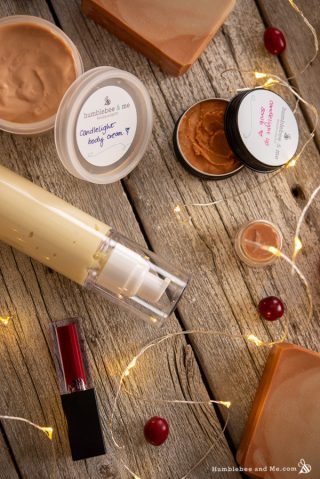
My complete guide to DIY gifting
One of my favourite things about being a formulator/one woman DIY skincare factory is sharing the things I make with friends and family. I'm always giving away my creations, but I really ramp it up for the holidays! It's a great way to save money at an expensive time...
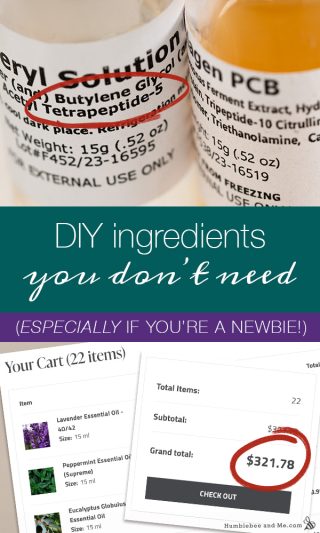
6 DIY Ingredients You Don’t Need
Over the last 15 years I’ve spent far more money than I care to admit on DIY ingredients... and I've also thrown away a truly embarrassing number of bottles, baggies, and tubs of expired or useless ingredients. While I'm not thrilled about all that wasted money, it...
Humblebee & Me is 14!
Humblebee & Me turns 14 today! If it was a person, Humblebee & Me would've just started the 9th grade and could now get their driving learner's permit (where I'm from, at least). Want to watch this instead of read? Watch Now In the last fourteen years,...
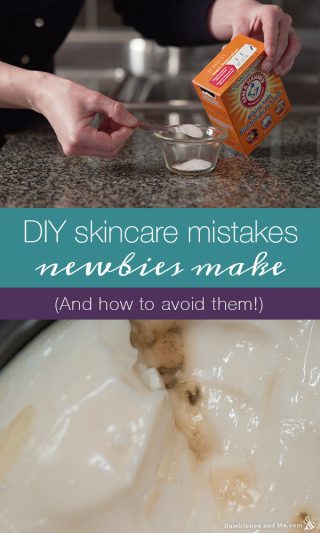
Natural Skincare Mistakes Most DIYers Make (and how to avoid them)
I can scarcely believe it, but it's now been more than eight years since I published my first YouTube video. The blog began several years earlier, but I didn't launch the YouTube channel until shortly after I as laid off from my full time job. I've learned a ton in...
How I Would Learn to Formulate (if I could start over)
You’ve made your first DIY lip balms, body butters, and maybe even a lotion. You’ve shared your creations with your friends and family, and they love them! Now you’ve got the itch to try creating your own recipes instead of just following ones you found online. But......
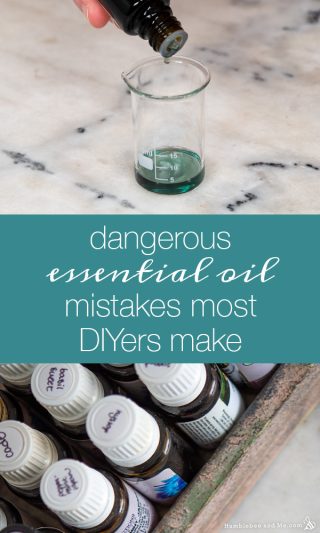
Dangerous Essential Oil Mistakes Most DIYers Make
Essential oils are are some of the riskiest ingredients in DIY skincare, and most people don't realise it because of all the misinformation out there. There’s this idea that they’re safe and simple to use because they’re all natural, but unfortunately, that’s not the...
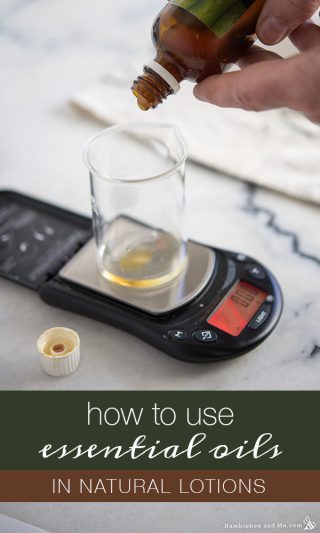
How to naturally scent lotions with essential oils and natural fragrance oils
Today I'll be teaching you how to safely and naturally scent your lotion formulations using essential oils and natural fragrance oils. The formulations I'm sharing today are extensions of the formulation shared in this post, but you can easily apply these fragrant...
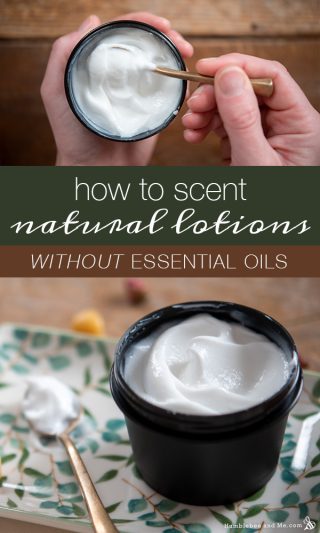
How to gently scent lotions with natural ingredients (+2 free formulas!)
In this post I'm going to teach you two ways to gently—and naturally—scent your lotion formulations without using essential oils. These scenting strategies are good options for new makers, those who have sensitive skin, and those who prefer more softly scented...
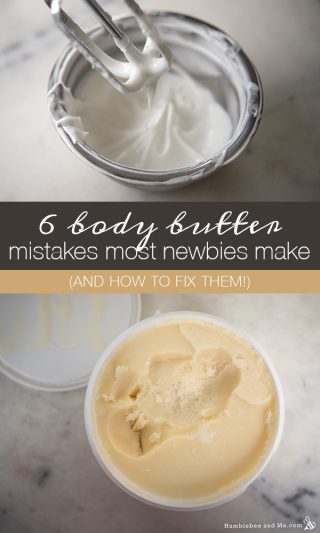
6 body butter mistakes most newbies make
Body butters are a fabulous place to start your formulating journey. I started with lip balms and body butters and made a lot of mistakes along the way; I'm hoping this post can help save you from a few of them! Want to watch this project instead of reading it? Watch...
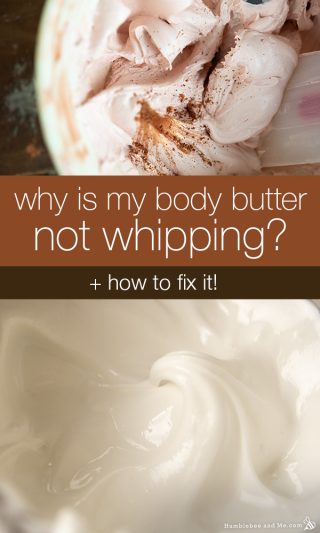
Why is my body butter not whipping?
Have you ever whipped up an utterly decadent body butter, only to find it transformed into a hard, crumbly brick when left overnight? Or perhaps you were whipping up a gorgeous blend of butters that suddenly collapsed into soft gloppy mess? Whipped body butters are...
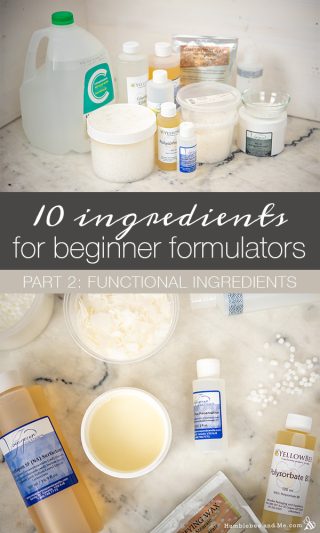
Ten DIY Ingredients for Beginner Formulators: Part 2
Welcome to part 2 of Ten DIY Ingredients for Beginner Formulators! In part 1 we covered five anhydrous ingredients that will allow you to create all kinds of awesome anhydrous products—balms, whipped body butters, lip balm, and more. Today we're adding five more...
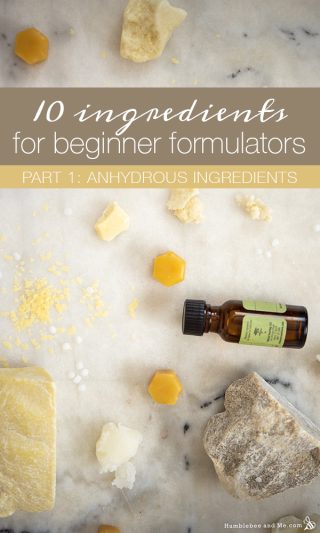
Ten DIY Ingredients for Beginner Formulators: Part 1
There are literally thousands of cosmetic ingredients for sale, so it's no wonder that shopping for ingredients can be an overwhelming experience for new formulators! Between the sheer number of ingredients and the often fantastical claims made about them, it can be...
How to Research Your Ingredients: Part 2
Welcome to part two of "How to Research Your Ingredients"! Part one was all about what you should be finding out about your ingredients, and the nuance involved in some of those categories (make sure you've read it!). Part two is going to be about how and where to...
How to Research Your Ingredients: Part 1
We're kicking off 2020 with a bit of a multi-part guide on how to research your ingredients—a super important skill! I often hear from people who have bought something but they don't remember what for, so they're left with an ingredient with no defined purpose or use....
Formulating and DIYing with Spreadsheets
Today I want to talk about something that really isn’t all that sexy or exciting, but it is super useful—using spreadsheets for your DIYing and formulating! Even if you don't formulate I'd recommend stepping away from online recipe calculators in favour of...
On Throwing Things Away
I wanted to take some time today to talk about something I find harder than it should be, but something that has to happen: throwing DIY stuff away. Be it past-their-prime ingredients, dubiously useable products, mystery bottles, or packaging you swear you’ll be able...
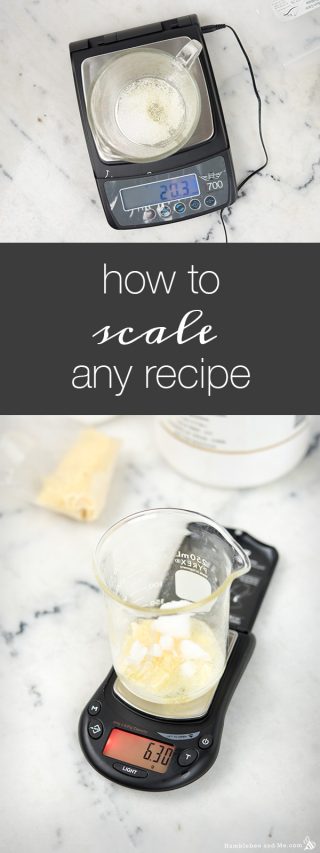
How to Scale Any Recipe
Recipe scaling is something I get a reasonable amount of questions about, so I thought I'd write out a how-to on how to scale any recipe so you can confidently make lots (or very little) of the things you love. I've also created a downloadable spreadsheet that you can...
Research Red Flags & How to Learn About Your Ingredients
One of my favourite things about this community is the enthusiasm with which people research; the desire to learn more about ingredients, products, and processes is insatiable! However, as anyone who has done much poking about in this space will know, there's a lot of...
So, You Want to Sell the Things You Make
This hobby, moreso than many others, seems to have people opening up their own Etsy shops and stalls at local markets within months of making their first lip balm. And frankly, that's a bit concerning. If you told a friend you'd just learned to make a great marinara...
Why Homemade Sunscreen is Never a Good Idea
Back in 2012 I published a short post on DIY sunscreen, the gist of which was “don’t make it, you can’t know if it works.” That post continues to get a lot of traffic and quite a few comments, many of which aim to convince me that DIY sunscreen is (or can be) a good...
A Guide to Making Substitutions in DIY Recipes
I get asked about substitutions, additions, and swaps a lot—hence this guide to making substitutions. I've already got guides on carrier oil substitutions and essential oil substitutions, so this article is going to be a bit more scattered. I'll look at some starter...
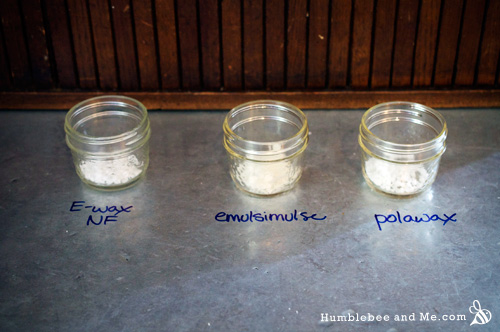
A Quick Guide to Different Emulsifying Waxes
In my time working with emulsifying waxes, I've found that they vary quite a lot. There are two main categories of emulsifying waxes—complete and incomplete. We'll be looking at complete emulsifying waxes (or e-waxes) here as incomplete e-waxes require co-emulsifiers...
DIY Project Clean Up Tips
You might not guess it, but I get a surprisingly large number of questions about how to clean up DIY messes. Beeswax, shea butter, clays, and other assorted powders can make some pretty mighty messes that outclass a kid's pizza party pretty fast. Here's how I deal...
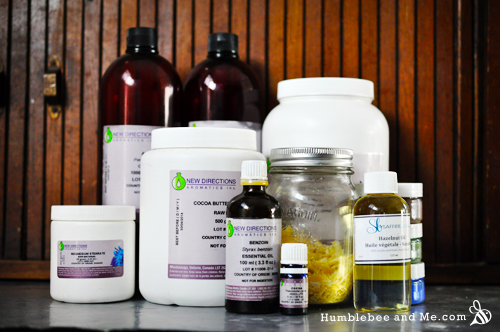
Tips on Creating Your Own DIY Recipes
As I'm sure you can tell, I'm not much for following recipes—I'd rather make up my own. Sometimes it works, sometimes it sort of works, and sometimes it's a catastrophic, err, "learning experience". Over the last few years I've learned some lessons when it comes to...
