Ingrown hairs are my nemesis. They’re painful, unsightly, and unfortunately my body is a big fan of growing hairs the wrong way. I suffered for years until a Reddit thread turned me onto a product called Tend Skin… which worked, but at over $20 CAD a bottle, it added up fast. So, I formulated my own version. I’ve been using this DIY almost daily for nearly 2 years—it works even better than the original, and for a fraction of the cost!
Want to watch this project instead of read it?
The ingredients in Tend Skin are:
Isopropyl Alcohol, Butylene Glycol, Acetylsalicylic Acid, Cyclomethicone, Glycerin, Diglycerin, Polysorbate 80
Isopropyl alcohol (aka rubbing alcohol) disinfects the skin to prevent infections and ensures the product dries quickly. Butylene glycol, glycerin, and diglycerin are all humectants, helping ensure the product isn’t too drying. Acetylsalicylic Acid (more commonly known as Aspirin) has great anti-inflammatory properties and acts as a mild chemical exfoliant to help free ingrown hairs so they can become outgrown hairs instead. And lastly, cyclomethicone (solubilized with polysorbate 80) helps keep the product from feeling sticky on the skin.
For my version, I wanted to keep the efficacy, but lower the irritation potential and seriously amp up skin soothing.
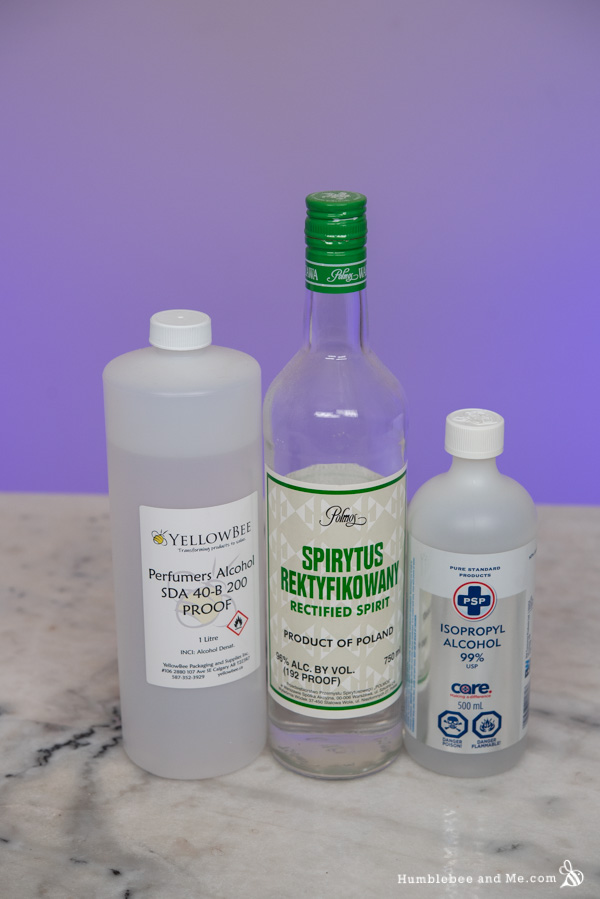
The first ingredient I modified was the isopropyl alcohol (IPA), swapping it for high-strength ethanol and using less than Tend Skin did. Now, I know alcohol in skincare has a bad reputation. I did try alternatives, but quickly found alcohol is essential to get the red bump fighting powers we want, and I don’t find this formulation to be drying or irritating.
Isopropyl alcohol is the standard “first aid” alcohol for disinfecting wounds, but but this 2017 study showed isopropyl alcohol (or isopropanol) is much harder on the skin than ethanol. So, switching the ethanol is an easy way to make the formulation easier on the skin. I used perfumery alcohol in the video (you can get it from many DIY suppliers), but you could also use high proof food-grade ethanol like Everclear or rectified Polish spirits—just make sure it is at least 95% ethanol. If you’re in a pinch you can use 99% isopropyl alcohol instead, but keep in mind it is more irritating.
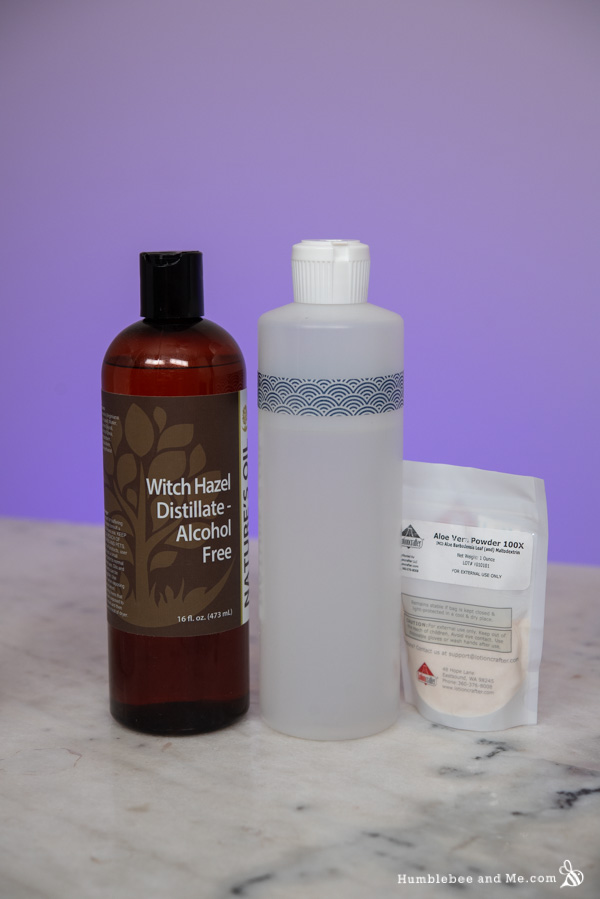
I also traded some of the alcohol for soothing aloe vera juice and astringent witch hazel distillate. This does lower the disinfecting properties of the solution, but I’ve tested it a ton and it definitely still works beautifully. It’s also still more than enough alcohol to make the formulation self preserving!
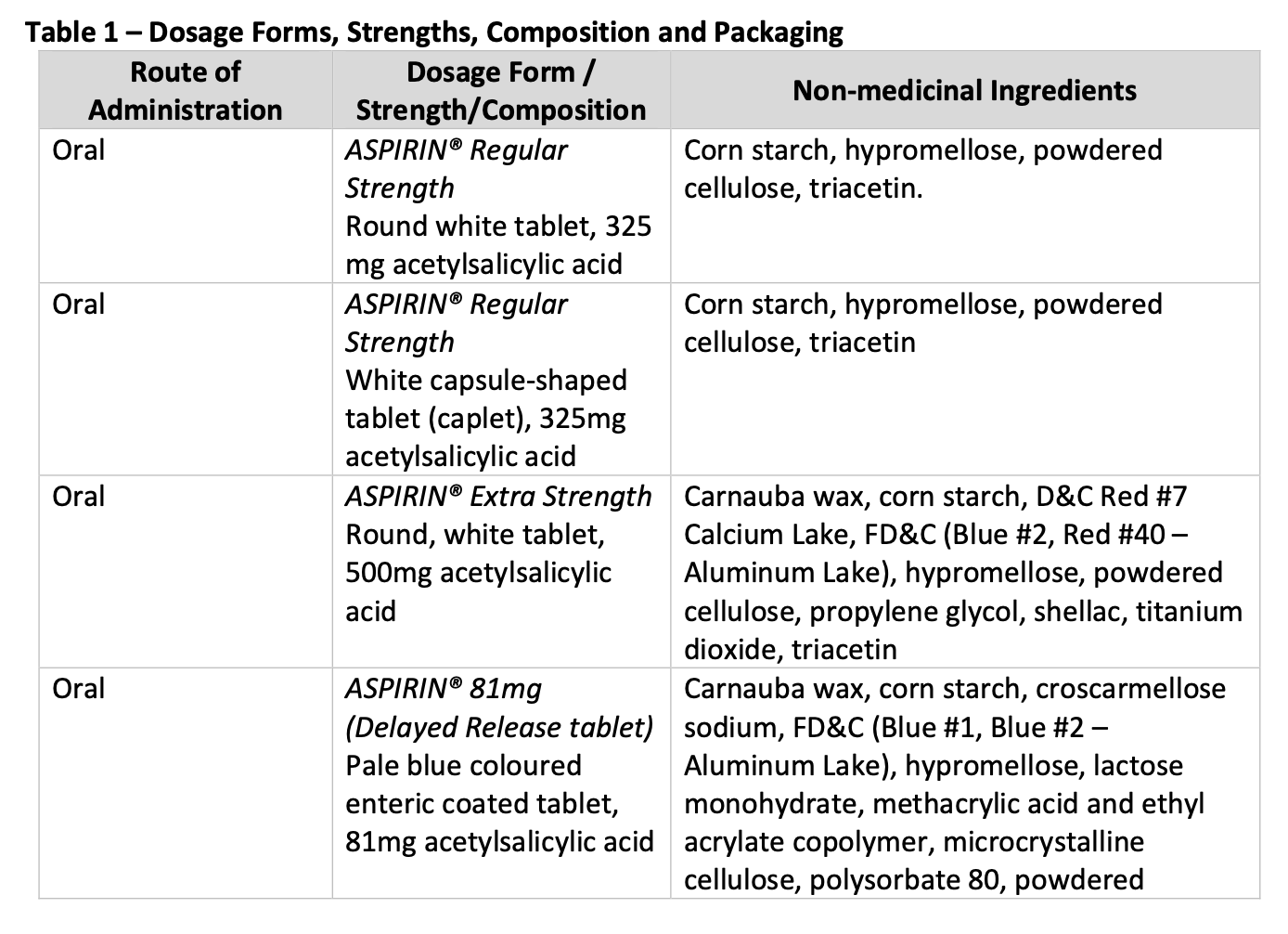
The other key ingredient in Tend Skin is acetylsalicylic acid. The alcohol is easy enough to get, but pure acetylsalicylic Acid… far less so. Of course Aspirin is easy to buy, but it isn’t just Acetylsalicylic Acid; the tablets contain fillers and binding ingredients like corn starch, cellulose, lactose monohydrate, FD&C dyes, and triacetin.
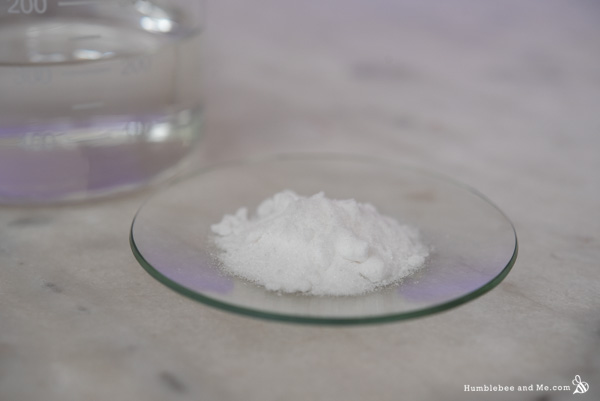
So, how to DIY something when you can’t get one of the key ingredients? In this case, the clue is in the name! Acetylsalicylic Acid is made from salicylic acid and acetic anhydride, so you can sort of think of salicylic acid as one of Aspirin’s parents. They aren’t the same, but they do share some key, similar traits: they’re both chemical exfoliants with anti inflammatory properties! Pure salicylic acid is readily available from DIY suppliers, so I tried it out and found it works beautifully.
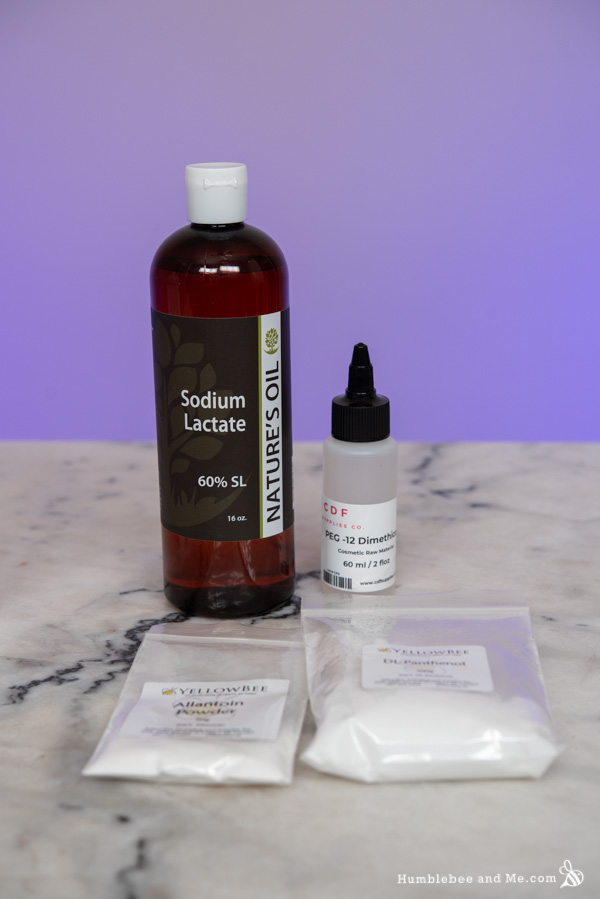
Because salicylic acid is quite acidic, this formulation needs something to pull the pH up into a skin-safe range. I experimented with a few options and settled on sodium lactate because it’s both a humectant (so it helps keep the product from being too drying) and because it works beautifully to pull the pH up. I tried 5%, 10%, and 15%, and chose 5%. The higher percentages still worked, but they slowed the drying time of the product quite a lot and were a bit tackier.
I used a 60% sodium lactate solution—that’s what most liquid sodium lactate products are. If your sodium lactate is a dry powder, you’ll need 3% of that and an additional 2% distilled water. For a 400g batch (that’s what I make in the video), that’s 12g sodium lactate and an additional 8g distilled water.
If you don’t have a way to check the pH of the product to ensure it’s in a good-for-the-skin place, I recommend increasing the sodium lactate to 10%, decreasing the water to make room for it. This will give you more of a margin of error, as just 5% can result in a pH that’s a bit too low.
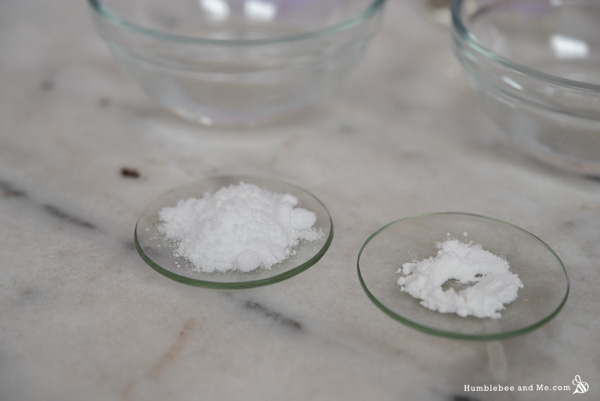
For even more skin-soothing goodness I included a small amount of each panthenol (Vitamin B5) and allantoin. If you don’t have either of these you can replace them with more water, or even a water soluble skin-soothing botanical extract!
The last ingredient helps keep the product from feeling too sticky on the skin; a PEG’d dimethicone. I’ve used both PEG-12 dimethicone (from CDF Supplies here in Canada (and PEG-8 dimethicone (from Making Cosmetics in the US) and both work beautifully. If you can get a PEG-# dimethicone with a different number there’s a good chance that will work, too—just be sure to read the description to ensure it is liquid and designed to be incorporated into watery formulations. You can also replace this ingredient with more distilled water, but your finished solution will be stickier.
Making the product is easy enough; dissolve the salicylic acid in the alcohol in one beaker, and dissolve everything else together in a second. Once both solutions are clear combine them, check the pH to ensure it is at least 3.8, bottle it up, and you’re off to the races!
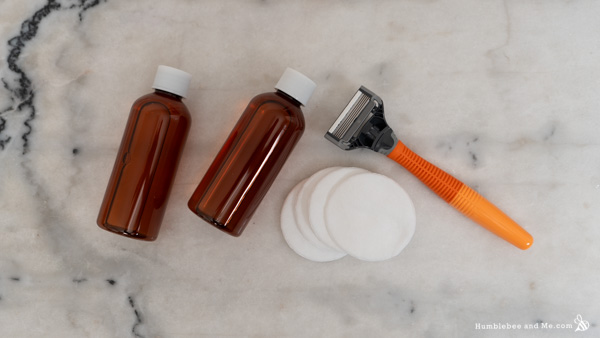
To use, soak a cotton pad and swipe it over irritated skin post-hair-removal, avoiding mucous membranes. I mostly use this on my bikini line, but it also works on underarms, legs, face, neck—anywhere you shave (though for smaller areas like eyebrows I’d use a cotton bud for more precision). Repeat as needed until the irritation calms down. I use it several times a day right after shaving, but my skin is extra dramatic—you might not need to use it that frequently!
Want to watch this project instead of read it?
Ingrown Hair Solution
160g | 40% perfumery alcohol (USA / Canada)
8g | 2% salicylic acid (USA / Canada / UK / Germany / AU)80g | 20% aloe vera juice (USA / Canada)
80g | 20% witch hazel distillate (USA / Canada)
33.6g | 8.4% distilled water2g | 0.5% panthenol powder (vitamin B5) (USA / Canada)
0.4g | 0.1% allantoin (USA / Canada)
20g | 5% sodium lactate (USA / Canada)
16g | 4% PEG-12 dimethicone (Canada) or PEG-8 Dimethicone (USA)Combine the perfumery alcohol and salicylic acid in a beaker large enough to hold your entire batch. Stir, cover tightly, and leave to dissolve.
Combine the aloe vera juice, witch hazel distillate, and distilled water in a second beaker and stir.
Add the panthenol, allantoin, sodium lactate, and PEG’d dimethicone to the aloe vera mixture. Stir, cover, and leave to dissolve.
Once the mixtures in both beakers are clear with no sediment sitting at the bottom, pour the aloe mixture into the salicylic acid/alcohol mixture. Stir to combine.
Now it’s time to test the pH; it should fall around 4 unless you’ve changed something pretty drastically.
To test and adjust the pH: create a 10% dilution by weighing 2g product and 18g distilled water into a small bowl or beaker and whisk to combine (wondering why we create a dilution to check the pH?). Check the pH with your pH meter. Depending on the shape of your bowl/beaker you may need to tilt it in order to fully submerge the sensor on your pH meter.
If the is lower than 3.8 raise it with some additional sodium lactate.
The performance of salicylic acid is not pH dependent, so unless the pH is above 6 I wouldn’t bother lowering it (a lactic or citric acid solution will do the trick).
Please read this article from Skin Chakra to learn more about pH adjusting.
Package the solution in a bottle with an orifice reducer. I do NOT recommend a mister bottle because inhaling misted alcohol is not nice (I did try it!), but a roller bottle could work.
To use, soak a cotton pad with the solution and wipe over angry skin post-hair-removal. Repeat as needed until irritation goes down—I use this several times a day directly after shaving, but I do think I’m on the “my body REALLY REALLY hates this” end of the spectrum, so you may not need to use it as often.
Shelf Life & Storage
Because this formulation contains over 20% ethanol, it is self preserving. Cool, eh? I’ve kept bottles of this around for over 18 months without any signs of spoilage.
Substitutions
As always, be aware that making substitutions will change the final product. While these swaps won’t break the formulation, you will get a different final product than I did.
- As I’ve provided this formulation in percentages as well as grams you can easily calculate it to any size using a simple spreadsheet as I’ve explained in this post. As written in grams, this formulation will make 400g.
- To learn more about the ingredients used in this formulation, including why they’re included and what you can substitute them with, please visit the Humblebee & Me Encyclopedia. It doesn’t have everything in it yet, but there’s lots of good information there! If I have not given a specific substitution suggestion in this list please look up the ingredient in the encyclopedia before asking.
- Other high proof ethanol products will work instead of perfumery alcohol: Everclear, Polish rectified spirits, or cosmetic grade denatured ethanol are all good options. Do not remove the alcohol, it’s necessary for the formulation to work and is also what makes it self-preserving.
- If you’re in a pinch you can use 99% isopropyl alcohol instead, but this 2017 study showed isopropyl alcohol (or isopropanol) is much harder on the skin than ethanol.
- Don’t substitute the salicylic acid.
- You can use fresh aloe vera juice or make it from concentrate.
- You can use witch hazel that contains alcohol or witch hazel that doesn’t contain alcohol.
- You could play around with the watery part; including some hydrosol could be fun.
- Do not substitute the sodium lactate unless you are ok with doing some re-development work to get the level of humectant & pH correct.
- I experimented with up to 15% sodium lactate; this will raise the pH of the finished product and make it dry down more slowly.
- You can replace either or both the aloe vera juice and witch hazel distillate with more distilled water.
- If you don’t have panthenol and/or allantoin:
- You can replace them with more distilled water.
- A soothing water-soluble botanical extract could also be a nice alternative.
- You can eliminate the PEG’d dimethicone (replacing it with water), though the finished product will be tackier.